Advancements in Offshore Wind Turbine Technology
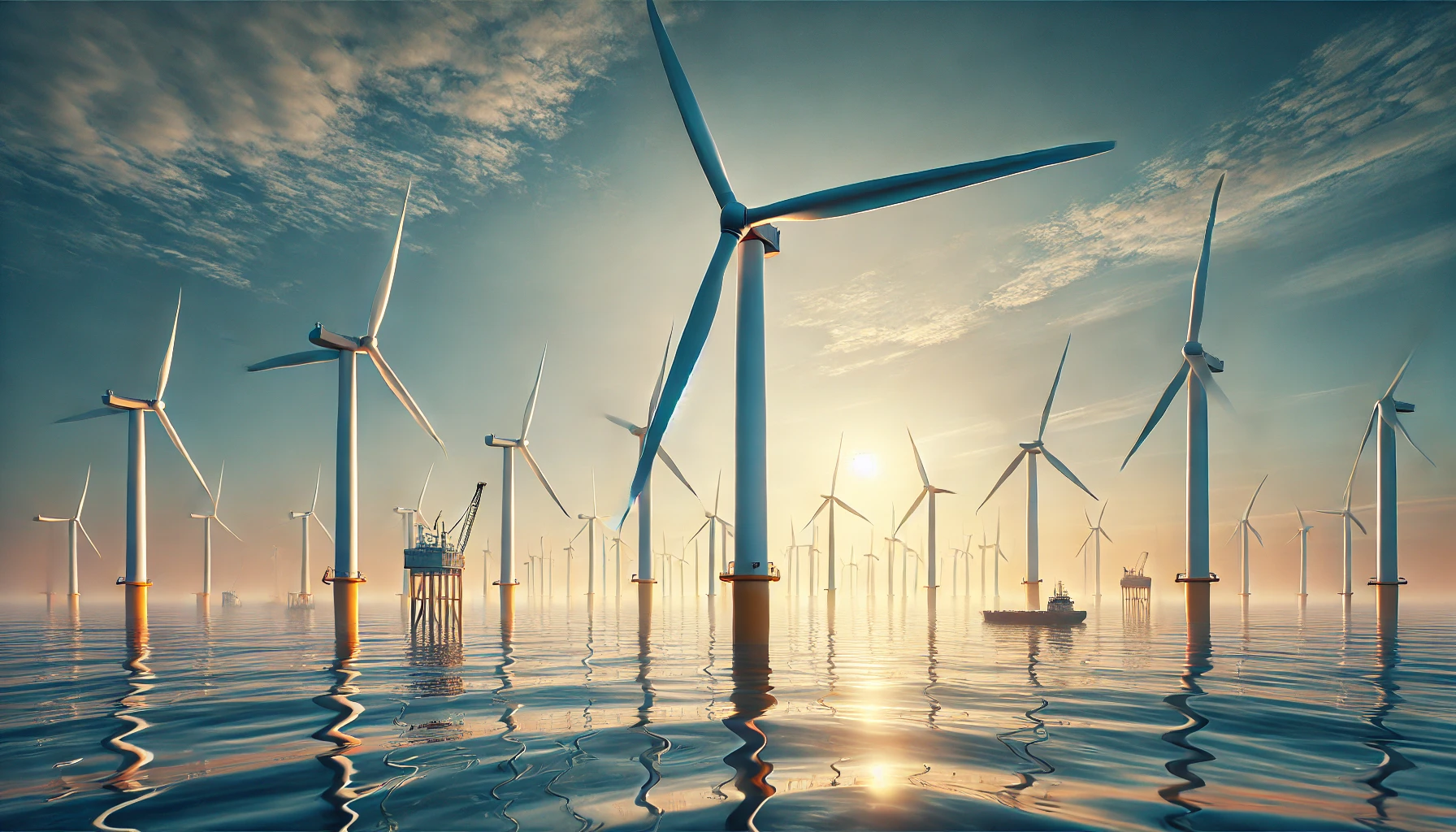
Offshore wind energy has undergone a dramatic transformation in the past decade, driven by rapid technological innovation and a global shift toward cleaner power sources. As countries push to meet aggressive climate goals, developers and researchers are focusing on ways to make offshore wind installations more efficient, reliable, and cost-effective.
One of the most notable advancements is the development of next-generation turbine designs that exceed 15 MW in capacity. These massive turbines feature longer blades constructed from lightweight composite materials, enabling greater energy capture even in moderate wind conditions. Blade geometry has also improved, utilizing aerodynamic modeling to minimize drag and maximize output.
Floating offshore wind platforms represent another major breakthrough. Traditional fixed-bottom turbines are limited to shallow waters, but floating structures enable deployment in deeper ocean regions where wind resources are stronger and more consistent. Advances in mooring systems, dynamic cabling, and real-time monitoring have made floating wind farms increasingly viable.
Digitalization is also reshaping the industry. AI-driven diagnostics, sensor networks, and predictive maintenance systems minimize downtime while optimizing performance in real time.
Collectively, these innovations are reducing costs, increasing energy output, and accelerating the adoption of offshore wind globally—solidifying its role as a cornerstone of carbon-neutral power generation.